
You don't need a large garden, a greenhouse or even an outdoor space to start growing your own plants. Sometimes, all you need is a windowsill, a small balcony or a corner of your home that isn't being used for much else.
It's easy to assume that gardening requires plenty of room, but there are lots of ways to make smaller spaces work. Whether you want fresh herbs for cooking, a few vegetables or simply more greenery around your home, it's often about choosing the right plants and making better use of the space you already have.
Growing your own herbs can also save you money over time. There might be some upfront costs for pots, compost, seeds or equipment, but once your plants are established, you may be able to harvest from them repeatedly instead of buying fresh herbs from the supermarket. If you regularly use herbs such as basil, mint or chives, those savings can gradually help cover what you initially spent.
Of course, not every plant will be cheaper to grow yourself, especially if you're using equipment such as electric grow lights. But you don't need an expensive setup to get started.
Before You Start, Look at the Space You Have
Before buying pots, shelves or plant stands, take a few minutes to look at the space you're planning to use.
Measure the width and depth of your windowsill, the height above a shelf or the corner where you might want to put a plant stand. Knowing these measurements can save you from buying something that doesn't quite fit.
It's also worth checking how much natural light the area receives. A bright windowsill might be ideal for certain herbs, while a darker corner may be better suited to plants that tolerate lower light levels.
Think about how you'll water your plants, too. A shelf that looks perfect might become awkward if you have to move everything around each time you need to reach the pots.
Once you understand what you're working with, it's much easier to choose a growing setup that suits your home.
1. Start With a Windowsill Herb Garden
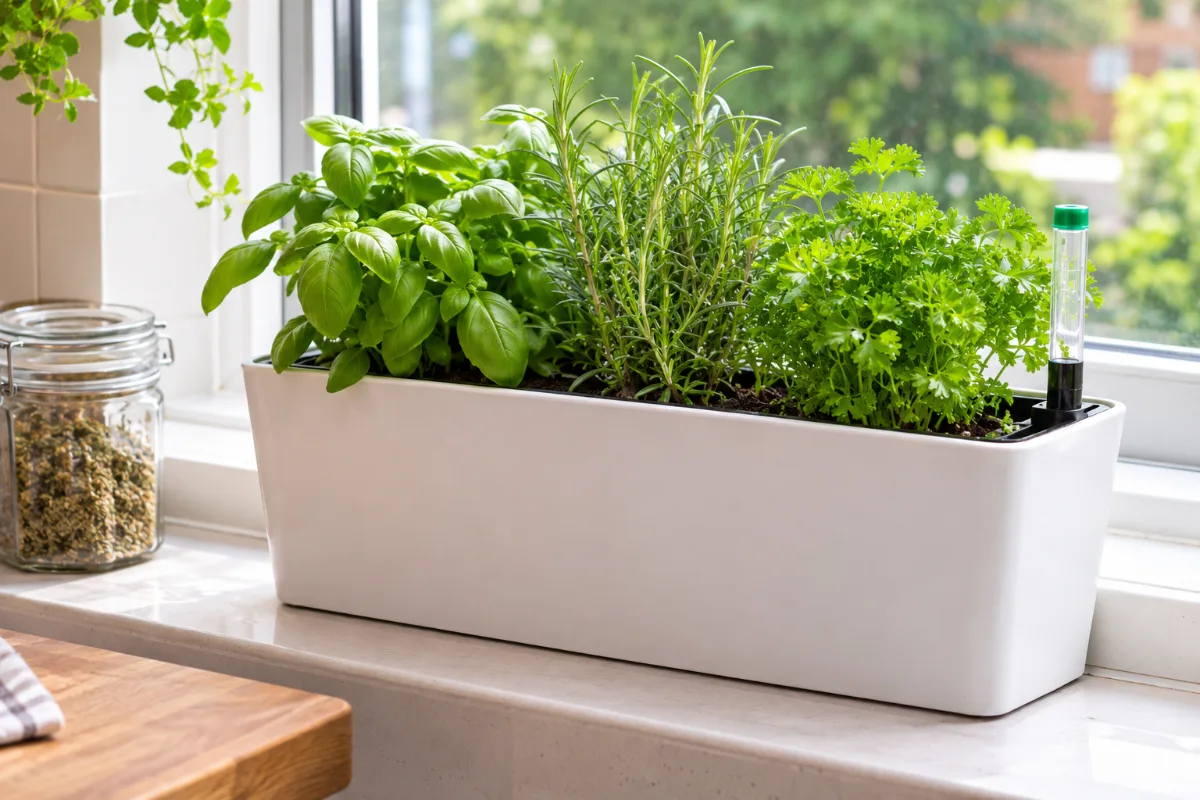
One of the easiest ways to begin growing in a small space is to use a windowsill.
Herbs such as basil, parsley, chives and mint can grow in containers, making them useful options for people who don't have a garden.
A bright windowsill can provide enough light for some herbs, although the amount of sunlight matters. Basil generally prefers plenty of light and warmth, while parsley and chives can cope with slightly less direct sunlight.
You don't need to start with lots of plants. Two or three herbs that you regularly use in cooking are a good starting point.
Just make sure the pots have suitable drainage and aren't sitting in water for long periods. If your windowsill is narrow, measure it before buying containers.
2. Grow Upwards With Vertical Gardening
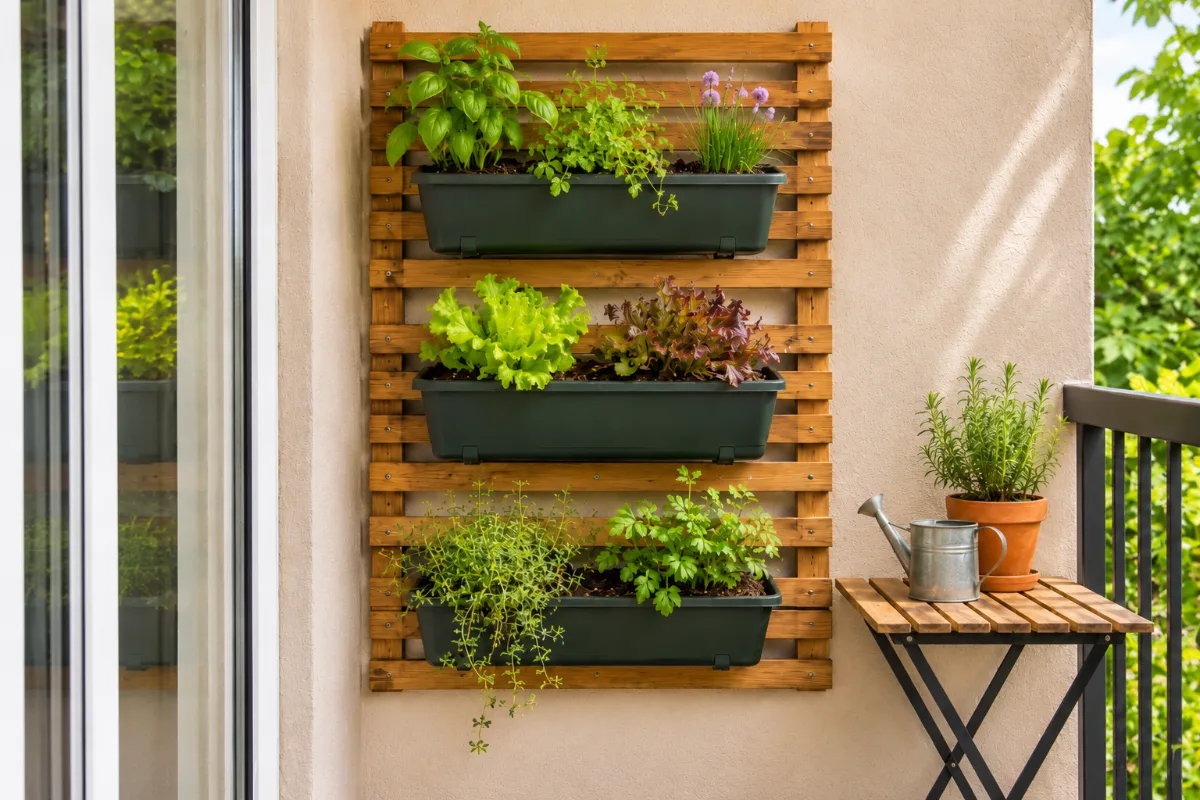
When floor space is limited, one option is to make better use of the height available.
Vertical gardening involves growing plants upwards rather than spreading everything across the floor or a worktop.
This could mean using wall-mounted planters, a trellis, a tiered growing system or containers arranged vertically.
It's particularly useful on balconies, patios and in smaller outdoor spaces where there isn't room for a traditional garden bed.
Climbing plants, such as certain varieties of beans and peas, can make good use of vertical supports. Some herbs and leafy vegetables can also be grown in suitable vertical planters.
However, it's important to think about the weight of the setup, especially when the compost is wet. Wall-mounted systems need secure fixings, and plants still need enough space for their roots to develop.
Vertical gardening doesn't necessarily mean fitting as many plants as possible into one area. It's about making use of space that might otherwise be left empty.
3. Make Better Use of Shelves and Plant Stands
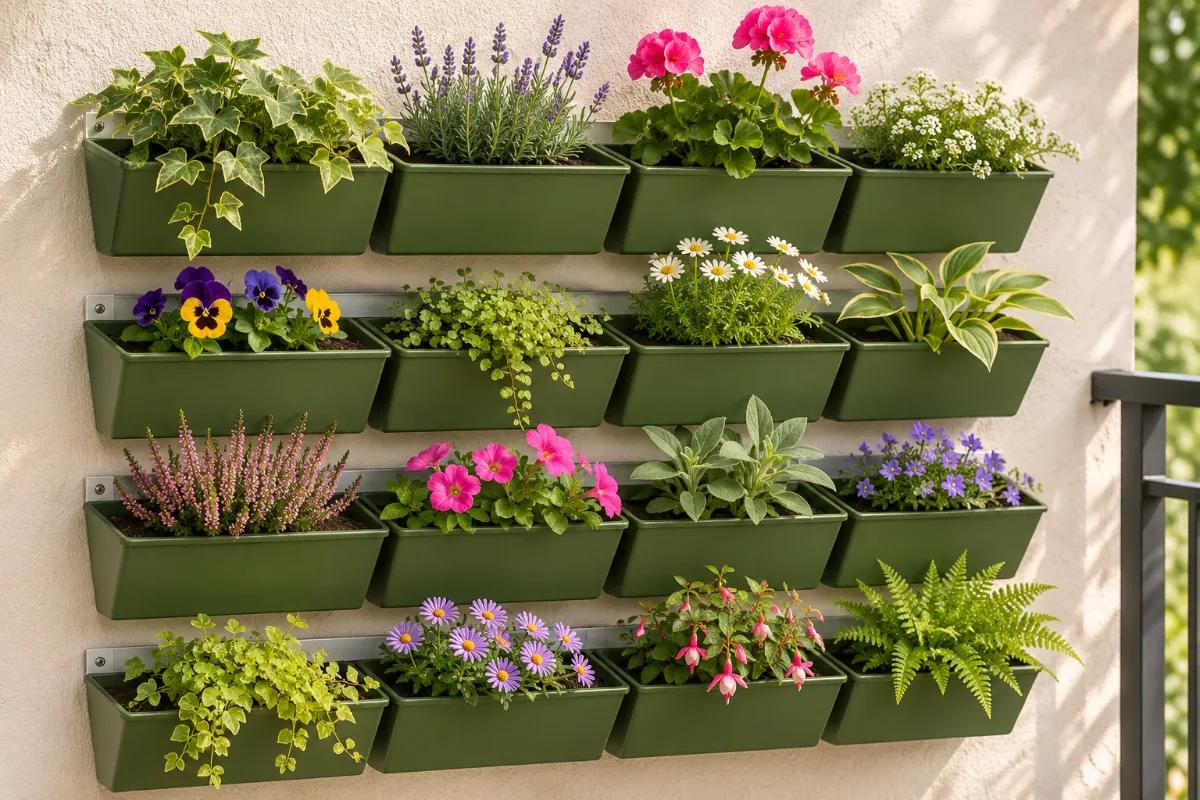
Shelving can be a practical way to organise plants without using too much floor space.
A narrow plant stand, a small shelving unit or a few suitable wall shelves can create additional growing areas.
For example, instead of placing five pots across a windowsill, you might be able to arrange some of them on a tiered stand, provided each plant still receives enough light.
Before buying shelving, check the available width, depth and height. Remember to leave room above each plant for growth, as well as enough space to water and maintain it.
You should also check the weight capacity of the shelves. Pots, compost and water can be heavier than they first appear.
If you're planning a shelving arrangement, Spacelo's Home Calculator includes a Storage Space mode that can help you check dimensions and whether containers or other items will fit.
One thing to avoid is placing plants on lower shelves where they receive very little light. A setup might look tidy, but it still needs to work for the plants.
GrowHaus tool
Check Your Available Space
Planning to use shelves or a plant stand? Use Spacelo's Home Calculator to check your available dimensions and see whether your pots and containers will fit.
Open Home Calculator4. Choose Compact and Dwarf Plant Varieties
Not every fruit or vegetable plant needs a large garden.
Some varieties have been developed or selected to grow in smaller spaces, making them suitable for pots, containers and compact growing areas.
Depending on the variety and growing conditions, you could consider dwarf tomatoes, compact chillies, small pepper plants or certain strawberries.
The important thing is to look at the plant's expected mature size rather than assuming that a small plant will stay small.
A young tomato plant might fit comfortably on a windowsill, but some varieties can grow much larger and need support as they develop.
Check the recommended container size, light requirements and eventual height before buying seeds or plants.
Choosing a compact variety from the beginning is often easier than trying to control a plant that naturally wants to grow much bigger.
5. Use Hanging Planters
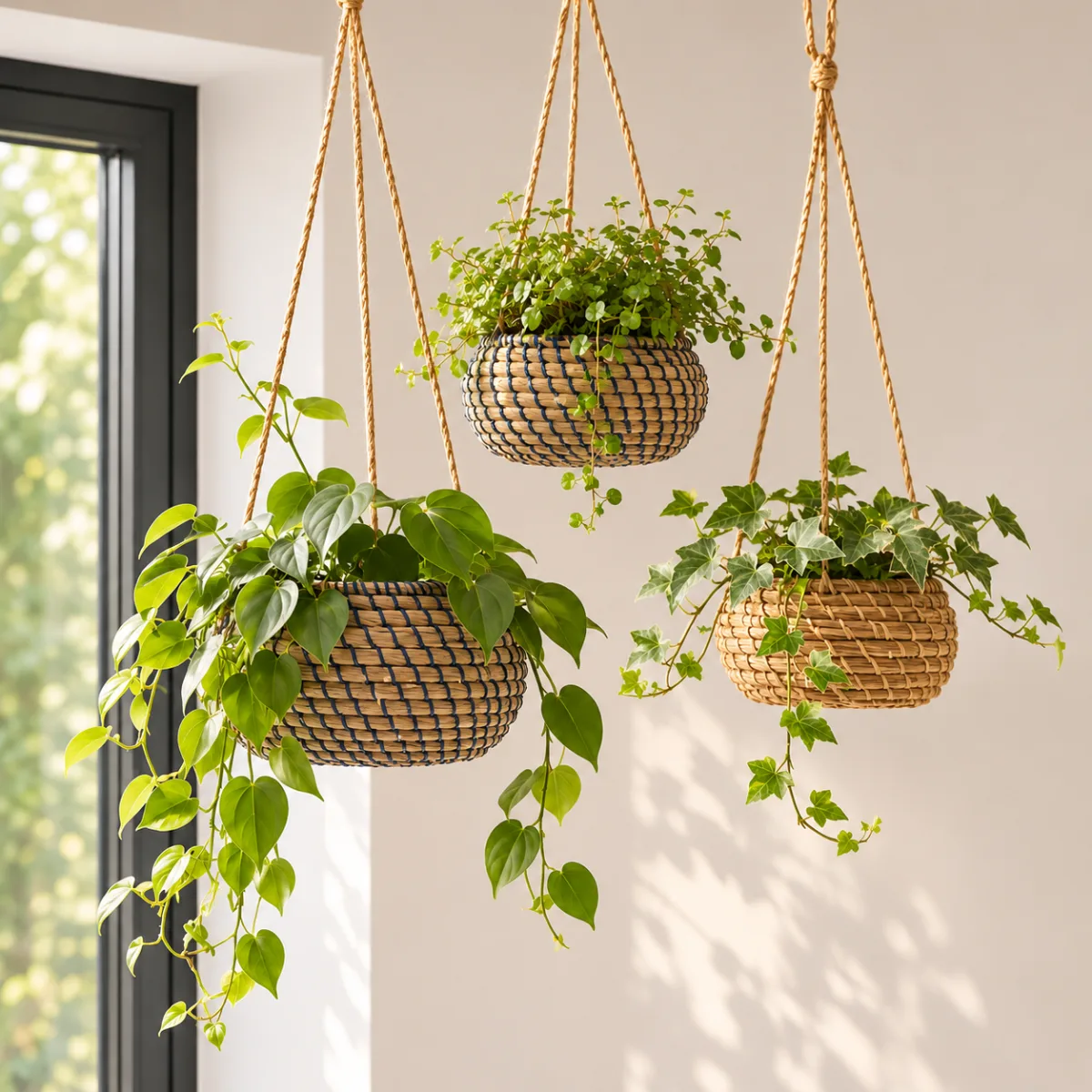
Hanging planters can help you make use of space above the ground.
They can work particularly well on balconies, patios and in suitable indoor locations where floor space is limited.
Trailing plants can look attractive in hanging containers, while certain strawberries and herbs may also be suitable, depending on the planter and growing conditions.
The main thing to consider is accessibility.
A planter hanging too high might be difficult to water, and hanging containers can dry out faster than larger pots, particularly in warm or windy conditions.
You'll also need a secure fixing that can safely support the full weight of the container, wet compost and plant.
It's worth thinking about where excess water will drain, especially if the planter is indoors.
6. Grow Compatible Plants Together
If you have room for one larger container rather than several smaller pots, growing more than one plant together could be an option.
For example, some leafy vegetables can share a sufficiently large growing container when their requirements are similar.
The key is choosing plants that need roughly the same amount of light, water and growing space.
It's tempting to fill every available gap, but overcrowding can cause problems. Plants may compete for nutrients and water, while poor airflow can encourage disease.
Some herbs are also better grown separately. Mint, for example, spreads vigorously and can overwhelm neighbouring plants when given the opportunity.
Rather than squeezing several plants into one pot, check their spacing and root requirements first.
A well-planned container with fewer healthy plants is usually more useful than an overcrowded one.
7. Try Growing Microgreens
If you want to grow something edible without waiting months for a harvest, microgreens are worth exploring.
Microgreens are young edible seedlings, usually harvested after their first true leaves begin to develop.
Depending on the crop and conditions, some can be ready to harvest in around one to three weeks.
They can be grown in relatively shallow trays, which makes them useful for small growing areas.
Popular options include radish, broccoli and pea shoots.
Because microgreens are harvested while young, they don't need the same growing space as mature vegetables.
However, they still need suitable light, good hygiene and careful watering. Overly wet conditions and poor airflow can encourage mould or other growing problems.
If you're interested in growing food at home but have limited space, microgreens could be a manageable first project.
8. Make the Most of Balconies and Corners
A small balcony can offer more growing opportunities than you might expect.
Instead of filling the floor with pots, consider whether you could use a narrow plant stand, a corner arrangement or suitable railing planters.
A compact outdoor growing setup might include herbs, strawberries, leafy vegetables or seasonal flowers.
But before buying anything, think about how exposed the space is.
Balconies can be windy, and some receive intense sunlight while others remain shaded for much of the day.
You'll also need to consider drainage, safe weight limits and whether your building permits railing planters or other fixtures.
Make sure containers are secure and cannot fall or drip onto areas below.
If your balcony only gets a few hours of sunlight, choose plants suited to those conditions rather than trying to grow something that needs full sun throughout the day.
9. Consider a Compact Indoor Growing System
If you don't have a suitable windowsill or outdoor space, an indoor growing system could be another option.
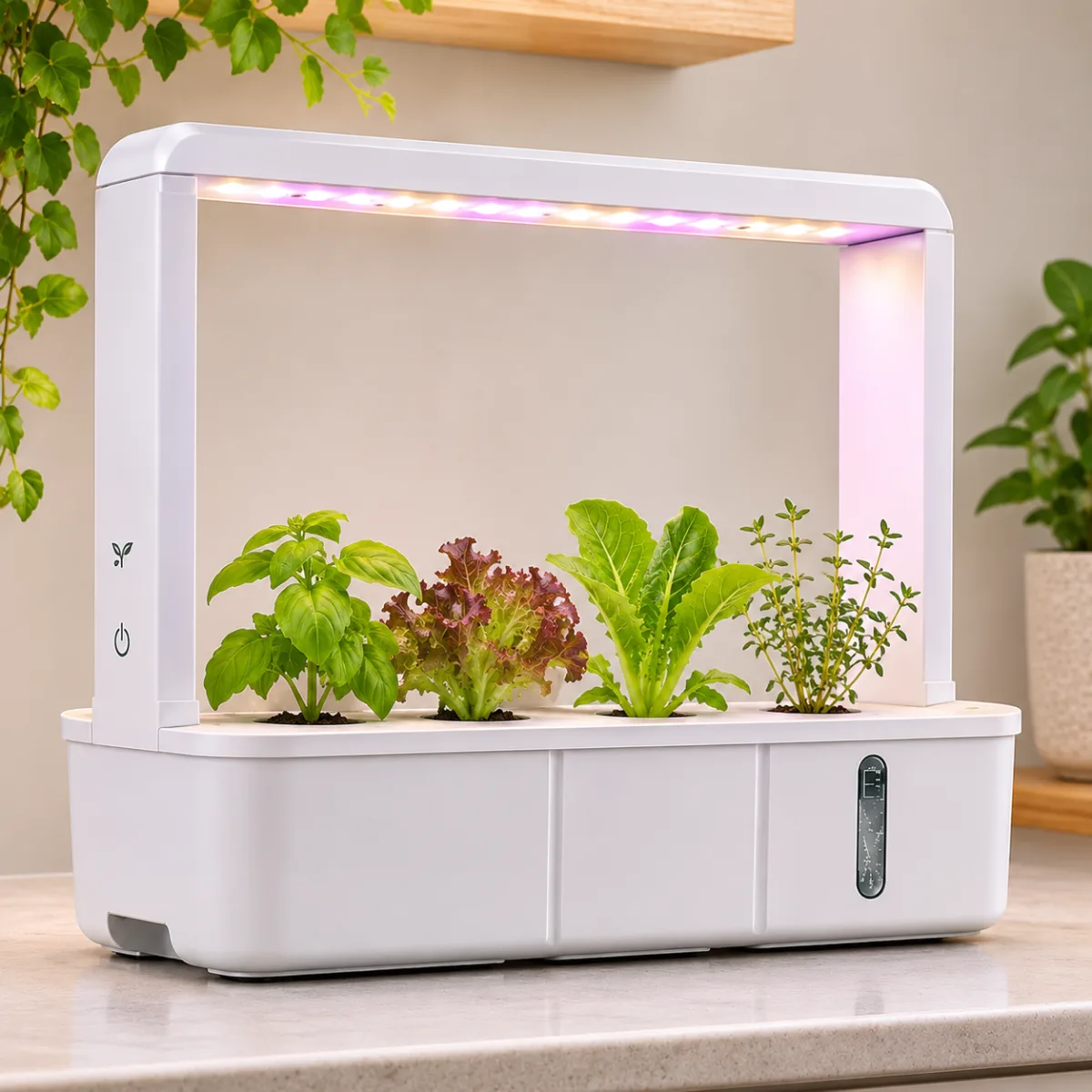
Some countertop systems use water-based growing methods, while others combine containers with built-in LED grow lights.
These systems can make it easier to grow certain herbs and leafy vegetables indoors, particularly where natural light is limited.
However, they're not essential for small-space gardening.
A basic pot on a bright windowsill may be all you need for the plants you want to grow.
Indoor growing systems also have higher initial costs, and some require electricity, replacement growing materials or nutrients.
Before buying one, consider how often you use fresh herbs and whether the convenience would justify the expense.
If you only occasionally use a few basil leaves, an expensive growing system may not be the most economical option.
But if you enjoy growing regularly, have limited natural light and want a more controlled setup, it may be worth considering.
10. Grow in Stages Instead of All at Once
Another way to make the most of a small growing space is to plant seeds in stages rather than all at once. This is known as succession sowing, and it can help provide a steady supply of fresh produce without needing lots of growing space.
For example, imagine you're growing radish microgreens indoors. Instead of sowing all your seeds at once, you could sow a small tray in week one, another tray a week later, and continue at regular intervals.
This means your plants will be at different stages of growth. While your first batch is developing, the next batch will still be young seedlings. As you begin harvesting the older plants, the younger ones will be growing and preparing to provide future harvests.
You won't necessarily need space for several full trays of mature microgreens at the same time. Instead, you can manage smaller batches, reusing each tray once its crop has been harvested. Radish microgreens can often be ready to harvest in around 7–14 days, depending on growing conditions.
This approach works particularly well if you only need small amounts regularly rather than one large harvest. By staggering when you plant, you can enjoy a more consistent supply while making better use of your available space.
How Much Does It Cost to Start Growing at Home?
One of the advantages of small-space gardening is that you can start with relatively little equipment.
For a basic herb-growing setup, you might only need a few pots, suitable compost, seeds or starter plants, and a place with enough natural light.
You don't necessarily need specialist shelving, automatic watering equipment or grow lights.
If you regularly buy fresh herbs, growing your own may help reduce those purchases over time.
For example, imagine you spend £12 setting up a small herb-growing area and would otherwise spend £1.20 each time you buy a supermarket herb packet.
If your homegrown herbs replace ten of those purchases, you've potentially offset the original £12.
That's a simplified example, of course. It doesn't include ongoing costs, failed plants or the possibility that your harvests won't match what you'd normally buy.
Some herbs are also easier to harvest repeatedly than others, and growth can slow significantly during colder, darker months.
The point isn't that growing at home will always save money. It's that a modest initial investment could provide repeated harvests and become worthwhile over time.
And even where the savings are small, there are other benefits. You can harvest what you need, enjoy looking after your plants and make use of a space that might otherwise sit empty.
Start Small and Build From There
You don't need to transform your home into a miniature greenhouse overnight.
Start with one or two plants that suit the space you have. See how they respond to the light, how often they need watering and whether the setup works for your daily routine.
Once you've found something that works, you can gradually add more plants or try a different growing method.
A small windowsill herb garden might eventually become a tiered plant stand, a balcony growing area or a collection of compact vegetables.
The most important thing is finding an approach that works for your home rather than trying to fit your home around the plants.
With a little planning, even a small space can give you more room to grow than you might expect.