
Start small, grow something useful
You don't need a vegetable garden to start growing some of your own food.
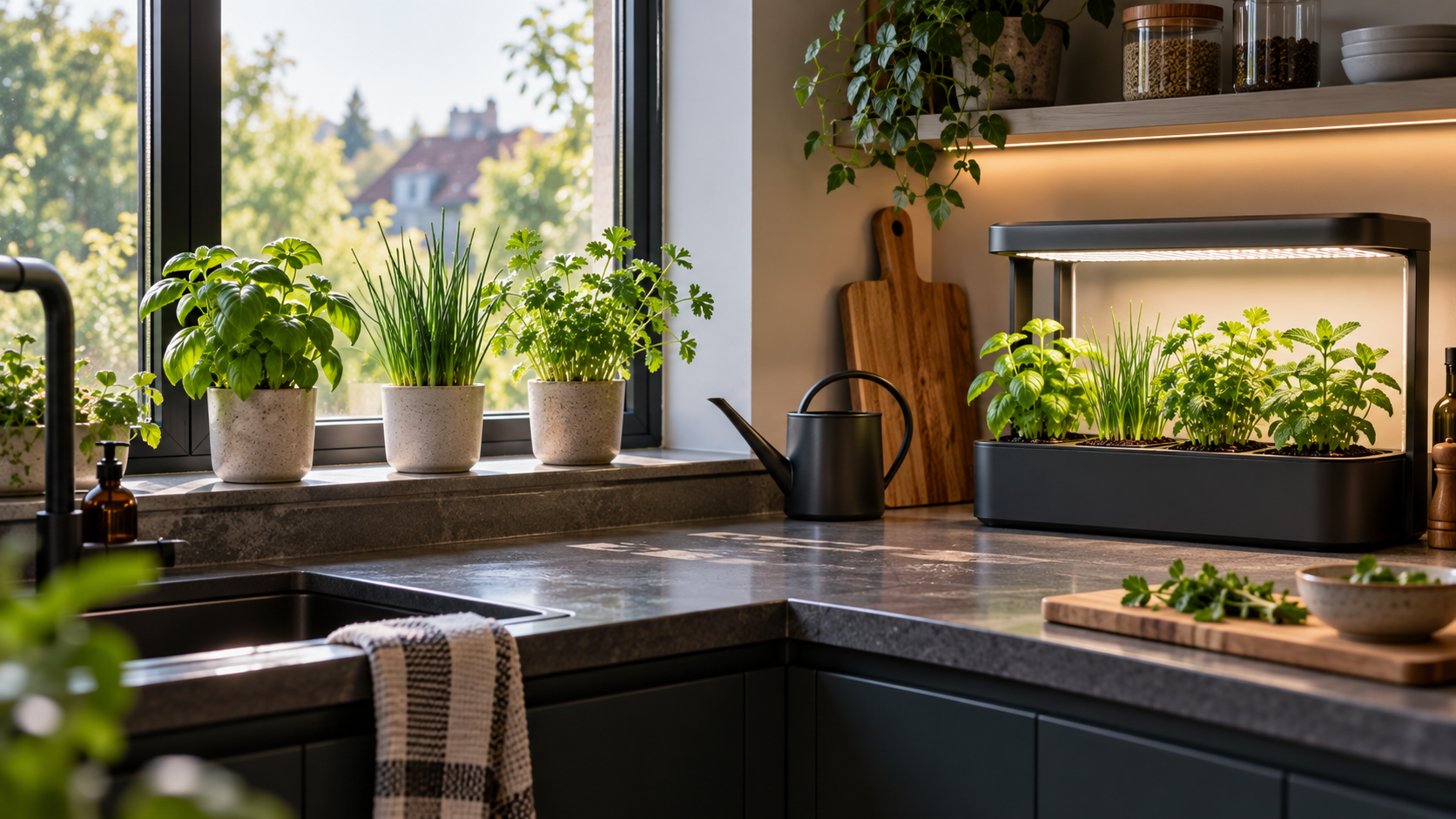
Herbs are one of the easiest places to begin. They don't take up much room, you can use them regularly in the kitchen and many will happily grow in a pot on a bright windowsill.
Indoor grow systems give you another option, particularly if natural light is limited or you want to keep growing through the darker parts of the year.
Here are five herbs worth starting with.
Basil
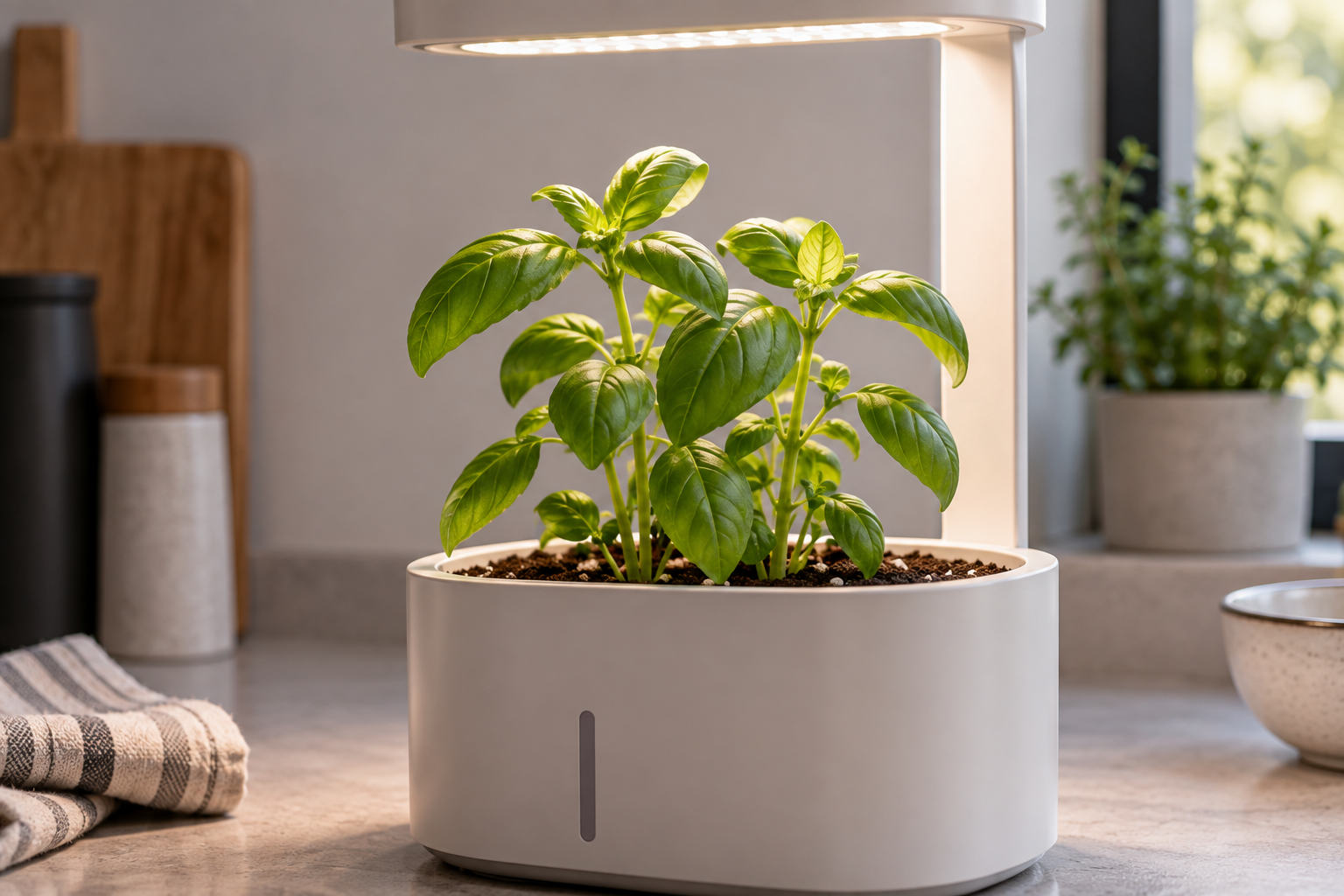
Basil is a great choice if you've got plenty of light and somewhere warm. A sunny windowsill can work well, while an indoor grow system gives you more control over the light it receives.
Pick leaves regularly once the plant is established. This doesn't just give you something to cook with — regular harvesting can encourage the plant to keep producing fresh growth.
Good for: Sunny windowsills and indoor grow systems.
Mint
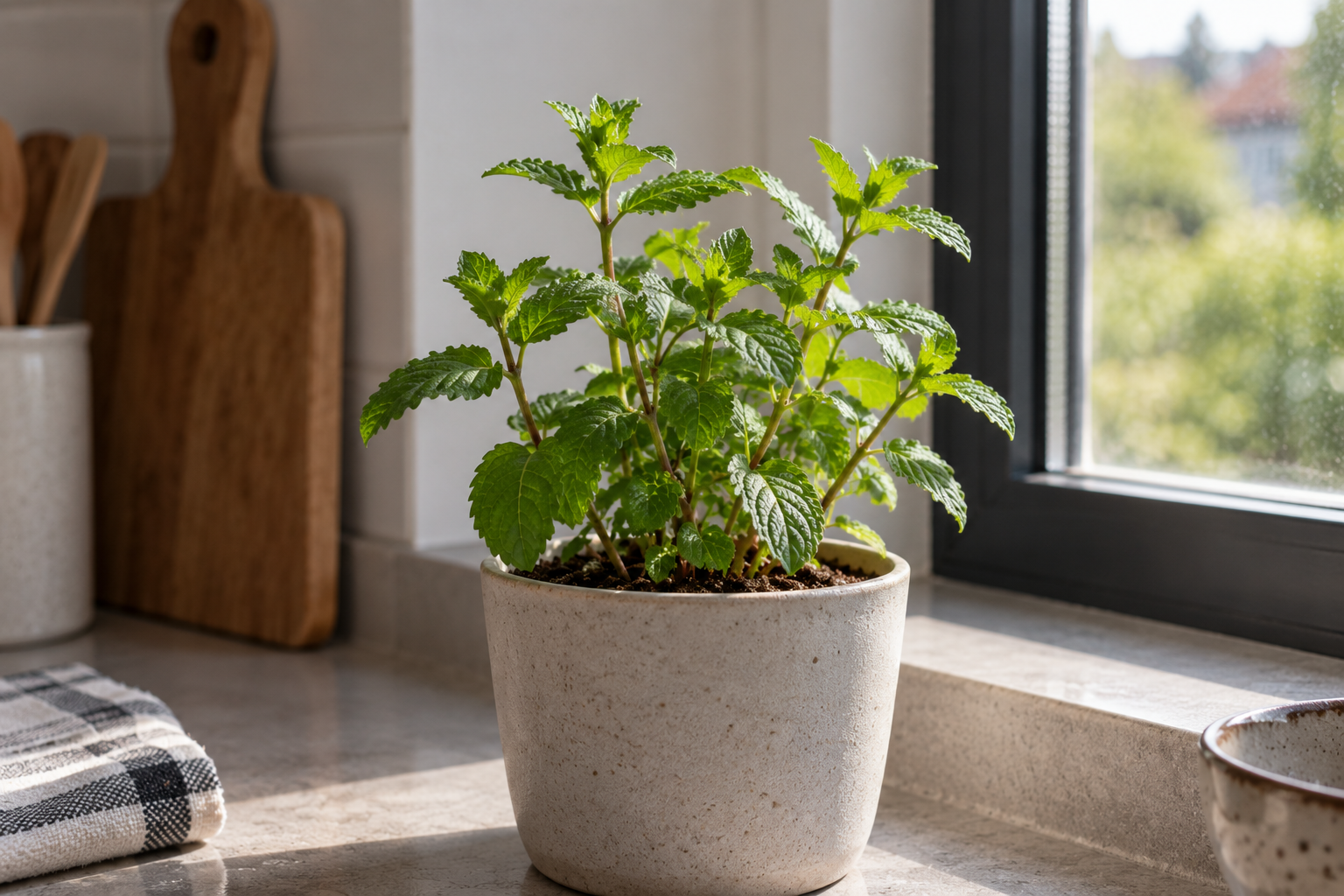
Mint is vigorous, forgiving and useful for everything from cooking to drinks.
It grows well in pots and can cope with slightly less sun than basil, making it useful when your brightest windowsill is already occupied.
If you eventually move it outdoors, keeping mint in its own container is often a good idea. Given the opportunity, mint has very few concerns about personal boundaries.
Good for: Pots, windowsills and containers.
Chives
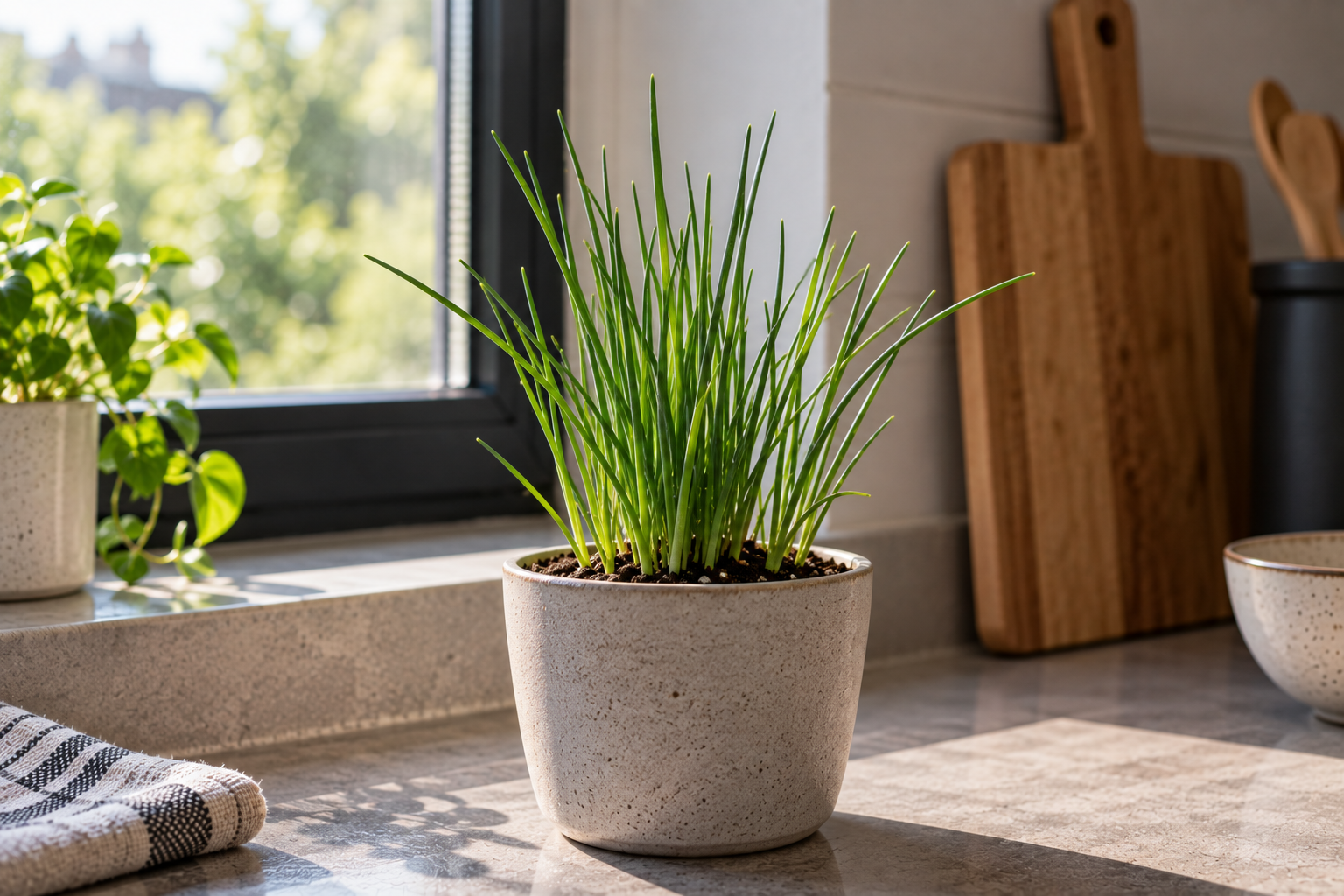
Chives don't need much space and can give you repeated harvests from a relatively small pot.
Keep them somewhere bright, cut what you need and allow the plant to regrow. Their upright growth also means they don't take over the windowsill in the way some bushier herbs can.
Good for: Small windowsills, pots and grow systems.
Parsley
Parsley can take a little longer to get going from seed, but once established it can provide plenty of fresh leaves.
It appreciates good light but doesn't necessarily need the hottest, sunniest position in the house. Keep harvesting the outer stems and allow the newer growth in the centre to develop.
Good for: Bright windowsills and indoor growing.
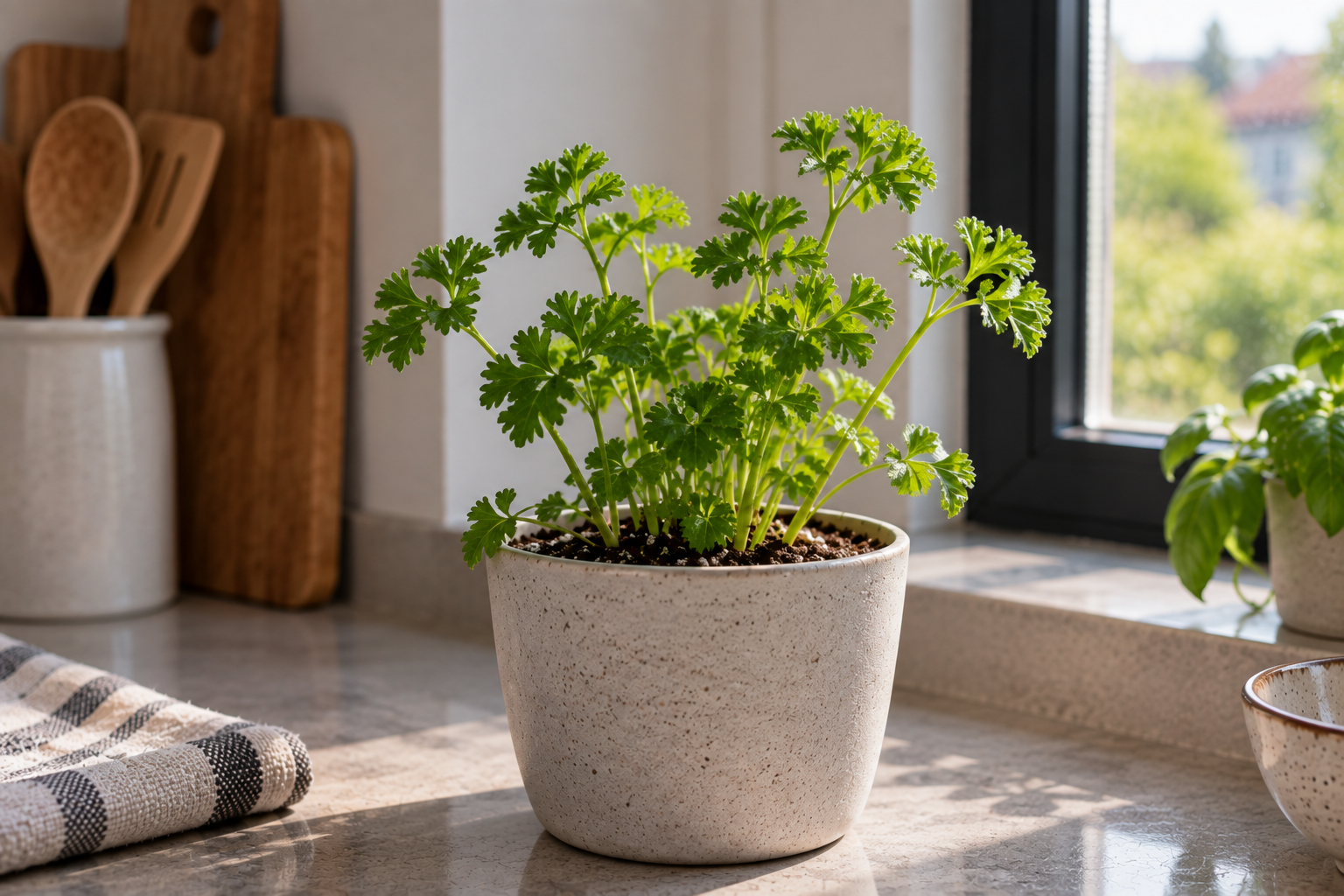
Coriander
Coriander is easy to start from seed and grows quickly, which makes it satisfying to grow at home.
The slightly awkward part is keeping it going. Warm conditions can encourage it to flower and produce seed rather than continue producing lots of leaves.
Instead of expecting one plant to last indefinitely, try sowing smaller amounts every few weeks for a more regular supply.
Good for: Windowsills and indoor grow systems.
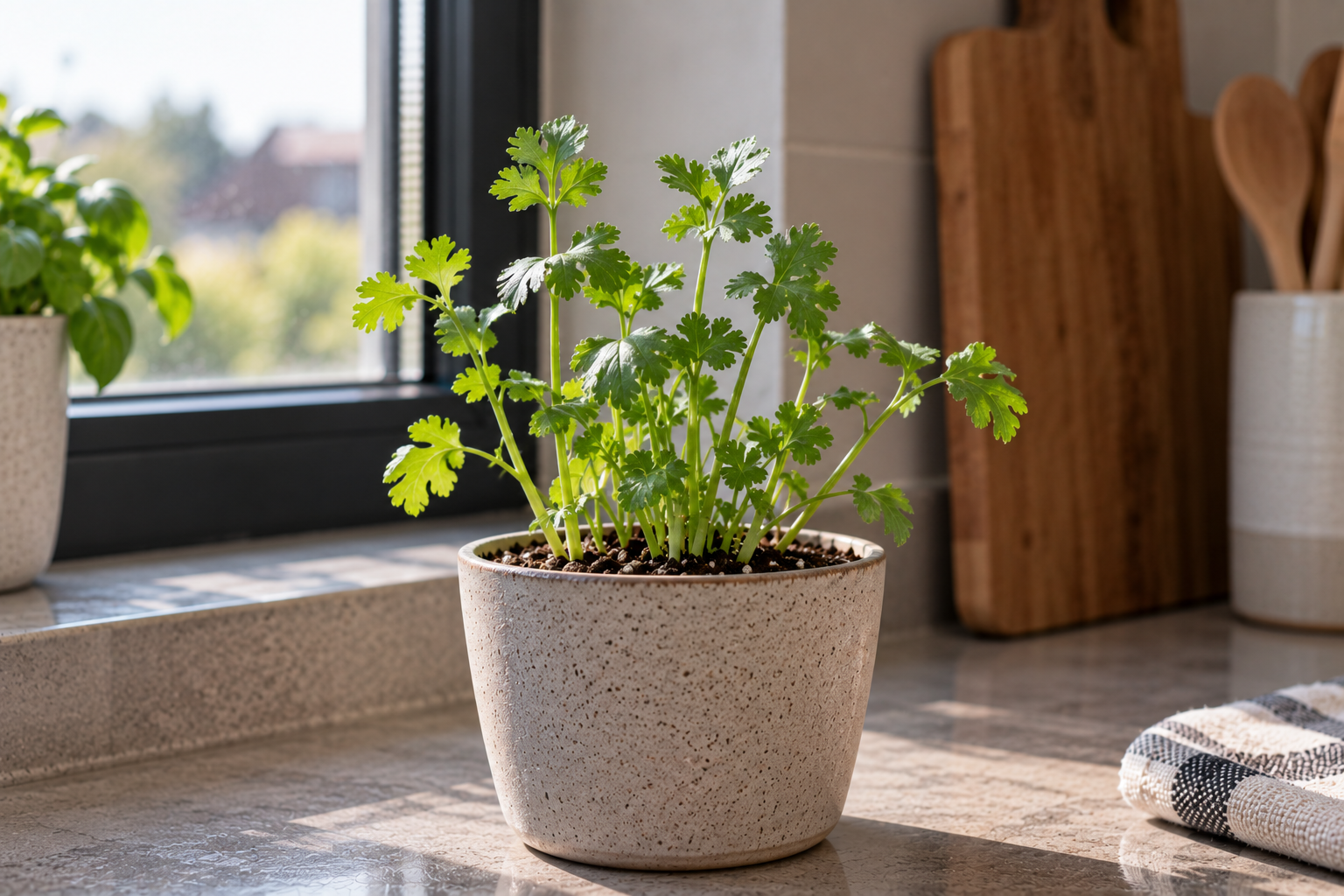
Windowsill or indoor grow system?
You don't necessarily need special equipment to grow herbs indoors.
If you've got a bright windowsill, a few pots and somewhere for excess water to drain, that's enough to get started with many herbs.
An indoor grow system becomes useful when natural light isn't ideal or you'd like more control over growing conditions. Built-in grow lights can also make it easier to keep herbs growing when UK daylight becomes considerably less enthusiastic during autumn and winter.
Neither option is automatically better. The best setup is the one that works with the space you've actually got.
Start with the herbs you'll actually use
It's tempting to grow ten different herbs because you can.
But if you cook with basil and coriander every week and haven't used fresh sage since 2019, that's probably a clue about where to start.
Choose one or two herbs you regularly use, learn what keeps them happy and expand from there.
A windowsill full of useful herbs is much more satisfying than a miniature herb farm you immediately forget to water.